
When the Ugandan government implemented lockdown measures to curb the spread of COVID-19, the economic shockwaves were felt nationwide. But for the informal sector—which accounts for a vast majority of the country’s workforce—the restrictions did not just mean a pause in business; they meant an immediate loss of livelihood.
For organizations dedicated to women’s economic empowerment, the pandemic laid bare a harsh reality: women in the informal economy are disproportionately vulnerable to systemic shocks. Pre-existing inequities, such as lack of social safety nets, unequal caregiving burdens, and insecure working conditions, were violently exacerbated by the crisis.
However, presenting this crisis to policymakers required more than just macro-economic statistics. It required a deep, qualitative understanding of the human cost. Here is how S4P Group utilized narrative research to bridge the gap between street-level realities and national policy.
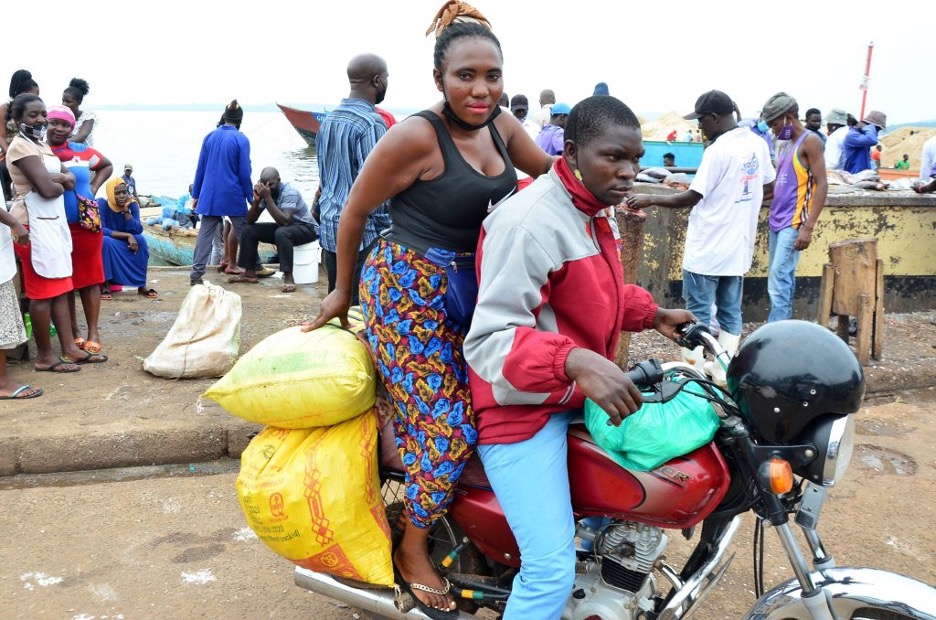
The Strategy: Humanizing Data Through Storytelling
To capture the true scope of the pandemic’s impact, S4P Group moved beyond traditional quantitative surveys. We engaged directly with women across the informal sector to document their lived experiences, ultimately producing a comprehensive compendium of 26 narratives titled: “Fighting for their livelihoods in the face of a deadly pandemic: Stories from women in Uganda’s informal sector.”
We ensured the research was highly representative by capturing voices from Kampala, Wakiso, and Busia. The participants spanned a diverse cross-section of the informal economy, including:
- Traders in cereals, dry produce, fresh food, and fish.
- Street food vendors, tailors, and hair salon owners.
- Domestic workers and people with disabilities.
- Sellers of crafts and second-hand clothes.
By capturing stories from such a wide array of trades, we were able to identify the universal challenges that cut across the entire informal economy.
The Value: Empowering Advocacy with Relatable Narratives
Numbers can be debated, but human experiences demand empathy and action. The value of the S4P Group approach lay in our interview design, which intentionally focused on producing relatable, deeply personal stories.
These narratives accurately portrayed the devastating, multi-layered consequences of the lockdowns, bringing to light critical issues such as:
- Total loss of livelihood and the rapid depletion of business capital.
- Exploitation and harassment while trying to navigate movement restrictions.
- Domestic turmoil, including a severe surge in gender-based violence.
- Interruption of education for their dependents, threatening generational progress.
Crucially, many of the interviewees were recognized leaders within their respective marketplaces and communities. Their perspectives did not just highlight victimhood; they offered pragmatic, grassroots suggestions for government intervention and institutional support, providing a credible foundation for advocacy.
The Impact: From Stories to Social Protection
The evidence generated by this compendium is actively being used to reshape and strengthen economic programs for women in the informal sector. The qualitative data provided a necessary catalyst for high-level legislative discussions.
In March 2022, the International Center for Research on Women (ICRW) utilized these findings to host a critical policy dialogue. This gathering brought together key decision-makers, including:
- The Ministry of Gender, Labour and Social Development.
- The Equal Opportunities Commission and the Parliament of Uganda.
- The Uganda Bureau of Statistics (UBOS).
- Civil Society Organizations and women’s groups from the informal sector.
The outcome? A serious, structured discussion on implementing formal social protections for women in the informal sector. Policymakers are now looking beyond emergency relief and focusing on long-term, systemic solutions to address the underlying inequities that leave informal workers so vulnerable to external shocks.
The Takeaway for Development Practitioners
The pandemic proved that when a crisis hits, the informal economy cannot rely on formal safety nets that were never designed for them. For policymakers and development practitioners, the lesson is clear: effective policy requires proximity.
When we elevate the voices of the women who actually drive the informal economy, we stop designing policies for them and start designing safety nets with them. True economic resilience in Uganda depends on formalizing protections for the invisible workforce that keeps the country running.